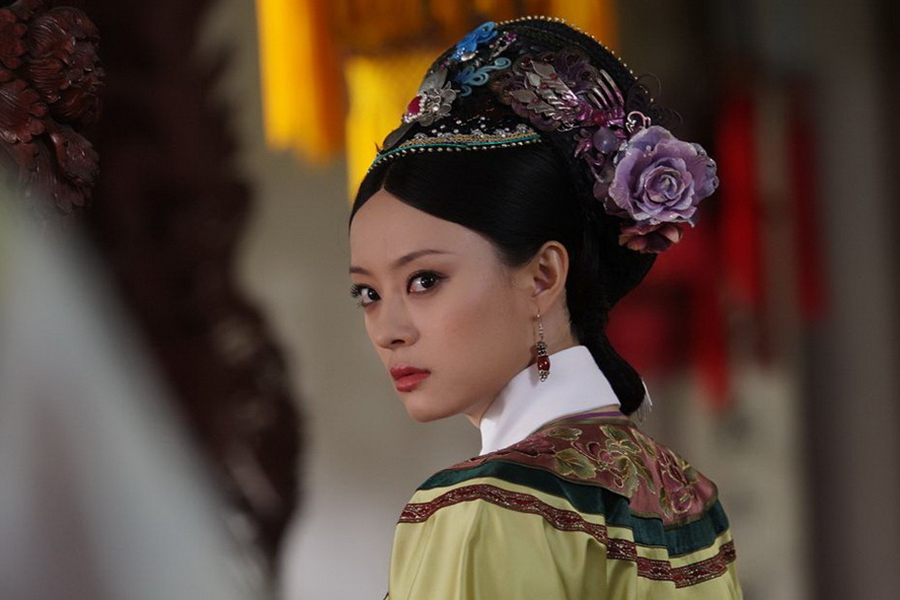
Empresses in the Palace (TV Drama)
Introduction
Empresses in the Palace is a Chinese television drama series that initially aired in 2011. The series has been widely acclaimed and is often highlighted as one of China's highest-rated TV dramas. It is a historical drama based on the turbulent and intricate life of Zhen Huan, a young woman who enters the palace as a concubine and ascends to become a powerful figure within the Qing Dynasty's imperial court. The show is known for its detailed representation of palace politics, luxurious sets, and elaborate costumes, effectively capturing the essence of the Qing Dynasty era.
Background and Context
Empresses in the Palace is set during the Qing Dynasty (1644-1911), which was the last imperial dynasty in China. This period is a popular setting for many Chinese historical dramas due to its rich cultural and historical significance. The series portrays the life within the Forbidden City, focusing on the complex relationships and power struggles among the emperor's concubines. These themes of intrigue and survival are central to the narrative, reflecting the historical reality of life in the imperial court.
Plot Synopsis
The drama begins with Zhen Huan, the protagonist, entering the palace as a simple and innocent girl. She quickly learns about the harsh and competitive nature of palace life, where concubines vie for the emperor's favor. As she navigates through treacherous waters of jealousy, betrayal, and conspiracy, Zhen Huan evolves into a shrewd and strategic player. Her journey is not only about surviving but also about mastering the art of power and influence within the royal court. The series intricately depicts her transformation and the consequent rise in power.
Cast and Characters
The series features a stellar cast, including Sun Li as Zhen Huan, Chen Jianbin as the Emperor Yongzheng, and Ada Choi as Empress Yixiu. Sun Li's portrayal of Zhen Huan is particularly noteworthy, earning her critical acclaim and several acting accolades. The characters are well-developed, each with unique traits and motivations, adding depth to the narrative. This complex characterization is a significant factor in the series' success, as it engages the audience with each character's personal journey and transformation.
Production
The production of Empresses in the Palace is notable for its attention to detail and authenticity. With a substantial budget, the series utilized authentic props and costumes to recreate the period's grandeur. The sets were meticulously designed to reflect the opulence of the Qing Dynasty's royal palaces. The show's director, Zheng Xiaolong, along with the crew, invested significant effort in researching historical details to ensure accuracy in the portrayal of customs, etiquette, and the overall ambiance of the era.
Reception and Impact
Since its debut, Empresses in the Palace has garnered a massive following, both domestically and internationally. It has been praised for its intricate storytelling, strong performances, and high production values. The drama has influenced the genre of palace intrigue in Chinese television, setting a benchmark for subsequent productions. Furthermore, the series has been adapted into a condensed version for international audiences, increasing its global reach and introducing many viewers to Chinese historical dramas.
Cultural Significance
The series holds cultural significance as it reflects the historical and social dynamics of the Qing Dynasty. It provides insights into the lives of women in the imperial court and the social hierarchy that dictated their existence. The drama highlights themes of power, loyalty, and betrayal, which are universally relatable, contributing to its widespread appeal. Additionally, Empresses in the Palace has spurred interest in Chinese history and culture among international audiences, showcasing the intricacies and beauty of traditional Chinese storytelling.








